Open Worm
Open Worm
What began as a bold idea quickly turned into action.
A small group of enthusiasts evolved into a distributed community
A small group of enthusiasts evolved into a distributed community
What if we could simulate an entire organism down to every single cell and synapse?
OpenWorm started in 2011 with a simple yet radical question:
History
We publish peer-reviewed research and develop software, contributing to the advancement of science. All our research
is available to everyone without exception.
is available to everyone without exception.
Labs were replaced by GitHub. Closed papers gave way to open tools and simulations.
of scientists
developers
and engineers
developers
and engineers
Since then, the project hasn’t just grown it’s helped set new standards in computational biology.


What began as a bold idea quickly turned into action.
A small group of enthusiasts evolved into a distributed community
A small group of enthusiasts evolved into a distributed community
What if we could simulate an entire organism down to every single cell and synapse?
OpenWorm started in 2011 with a simple yet radical question:
History
We publish peer-reviewed research and develop software, contributing to the advancement of science. All our research
is available to everyone without exception.
is available to everyone without exception.
Labs were replaced by GitHub. Closed papers gave way to open tools and simulations.
of scientists
developers
and engineers
developers
and engineers
Since then, the project hasn’t just grown it’s helped set new standards in computational biology.





Piece by piece.
From scratch.
Inside a computer...
and share it with everyone.
From scratch.
Inside a computer...
and share it with everyone.
Therefore, we follow the principles of open science.
We, like other scientists, also want to get closer to solving this mystery and, of course, share our successes.
This is a complex project in every sense and aspect, as the concept of consciousness in living beings is still a great mystery for science.
instead of just studying data, we aim to
build a living system from it.
build a living system from it.
OpenWorm takes a different approach:



Piece by piece.
From scratch.
Inside a computer...
and share it with everyone.
From scratch.
Inside a computer...
and share it with everyone.
Therefore, we follow the principles of open science.
We, like other scientists, also want to get closer to solving this mystery and, of course, share our successes.
This is a complex project in every sense and aspect, as the concept of consciousness in living beings is still a great mystery for science.
instead of just studying data, we aim to
build a living system from it.
build a living system from it.
OpenWorm takes a different approach:

— a simple organism, yet astonishingly well-mapped.
We started with C. elegans



— a simple organism, yet astonishingly well-mapped.
We started with C. elegans
the code
the models
our tools
the models
our tools
To make that possible, we open up everything:
Our goal is to create the first digital life form
in history.
in history.
And to bring as many people into the process as possible.
Because the real mission isn’t just to simulate one worm—it’s to show how it can be done.

Why do this?
To truly understand it, we need more than theories—we need living digital models that can be tested, modified, and observed in action.
It’s billions of interactions happening simultaneously.
Because the brain isn’t just a network. It’s billions of interactions happening simultaneously. To truly understand it, we need more than theories—we need living digital models that can be tested, modified, and observed in action.
Because the brain isn’t just a network.
Yet, we still can’t accurately model even the simplest brain.
We can calculate a flight to Mars with precision.

Because the brain isn’t just a network. It’s billions of interactions happening simultaneously. To truly understand it, we need more than theories—we need living digital models that can be tested, modified, and observed in action.
Why do this?
To truly understand it, we need more than theories—we need living digital models that can be tested, modified, and observed in action.
It’s billions of interactions happening simultaneously.
Because the brain isn’t just a network.
Yet, we still can’t accurately model even the simplest brain.
We can calculate a flight to Mars with precision.
Why C.Elegans?


You can study every cell and neuron of the worm on our 3D model.
Docker simulation stack
After exploring the worm’s structure in 3D, the next step is trying to simulate how it behaves.
It contains the main components of the worm simulation, which allows you to run the model on the computer.
and c302, which handles basic neural activity.
Sibernetic, which simulates how the worm’s body moves in space
Inside are key components like
a kind of digital «package» that includes everything needed to run a simplified model of the worm in motion.
For this, our team created a Docker container



Docker simulation stack
After exploring the worm’s structure in 3D, the next step is trying to simulate how it behaves.
It contains the main components of the worm simulation, which allows you to run the model on the computer.
and c302, which handles basic neural activity.
Sibernetic, which simulates how the worm’s body moves in space
Inside are key components like
a kind of digital «package» that includes everything needed to run a simplified model of the worm in motion.
For this, our team created a Docker container
The swimming locomotion was tuned and programmed by M.Vella.
The worm shell was designed by A.Palyanov. The Sibernetic engine was designed by A.Palyanov and S.Khayrulin.
In the video, you can watch exactly how the simulation of the movements and contractions of the Caenorhabditis elegans nematode works.
and shows how digital neurons can drive digital motion.
A 3D simulation that runs directly
on a computer
on a computer
The result?
The worm shell was designed by A.Palyanov. The Sibernetic engine was designed by A.Palyanov and S.Khayrulin.
The swimming locomotion was tuned and programmed by M.Vella.
The swimming locomotion was tuned and programmed by M.Vella.
In the video, you can watch exactly how the simulation of the movements and contractions of the Caenorhabditis elegans nematode works.
and shows how digital neurons can drive digital motion.
A 3D simulation that runs directly
on a computer
on a computer
The result?
Robo-Worm
because it's programmed to—but because
it thinks like a worm.
it thinks like a worm.
Imagine a Lego robot that doesn't just move
mapped all 302 neurons of the C. elegans worm and simulated them in software.
In a groundbreaking experiment, researchers


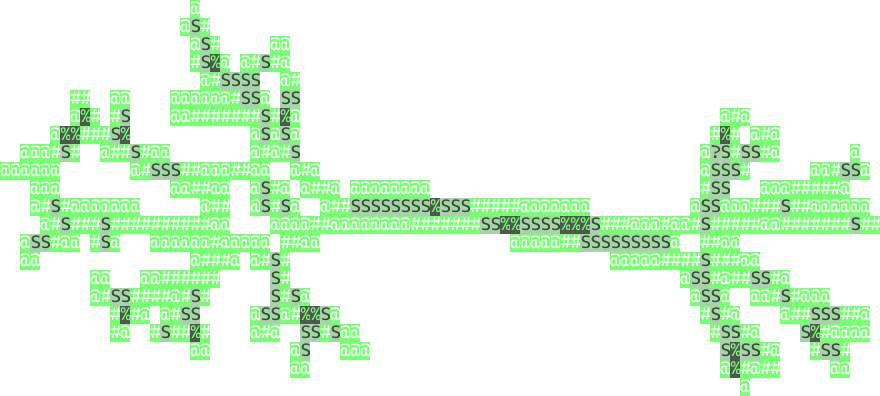
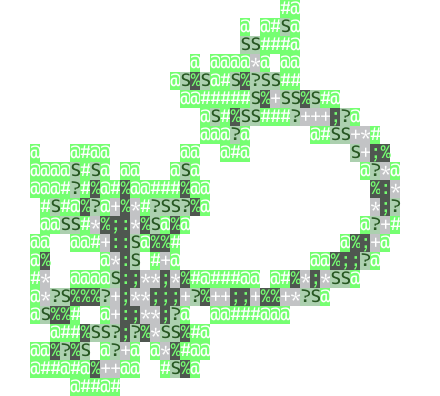
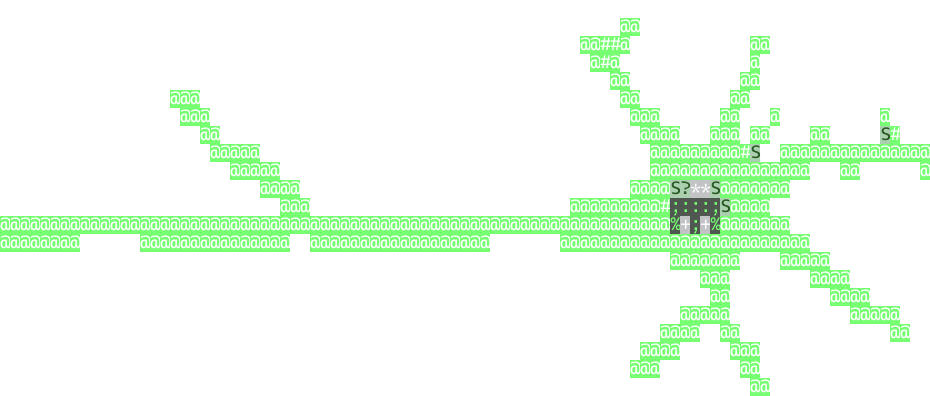
This digital brain was then integrated into a simple Lego Mindstorms robot.
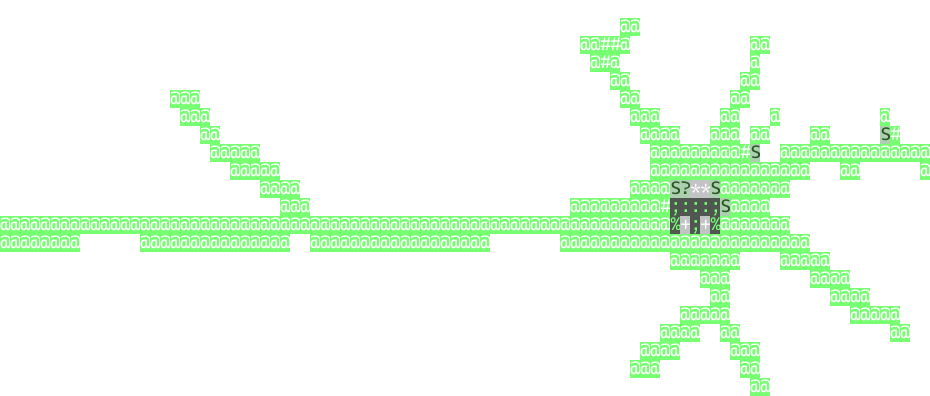
sensory input
and motor output
and motor output
This enables us to study the relationship between
Extending the connectome of C. elegans to a robot allows researchers to observe and study behaviors in a real-world environment.
which is essential for understanding the behavior of the organism.
A robot that responds to its environment in ways reminiscent of the worm’s natural behavior.
The result?
The result?


We will participate in the Neurocraft festival
and will be glad to receive your support!
and will be glad to receive your support!
This will pave the way for the next generation of medical research and innovations in disease treatment.
to unlock the secrets of life at its most basic level.
a fully simulated living creature
We aim to build the world’s first virtual organism


We will participate in the Neurocraft festival
and will be glad to receive your support!
and will be glad to receive your support!
This will pave the way for the next generation of medical research and innovations in disease treatment.
to unlock the secrets of life at its most basic level.
a fully simulated living creature
We aim to build the world’s first virtual organism
